


The Korean logo maker.
Hangul is assembled, not spelled. Each syllable is a block built from two to four letters, and every block has to balance. Five real examples.
Write the brand name exactly as it should appear, in its own script. New accounts get 6 free credits, no card required, and each logo image uses 3.
What makes a Korean logo different
Korean letters are grouped into square syllable blocks, so 소나무 (pine tree) is three blocks, not seven letters in a row. A logo has to balance each block and the rhythm between them, and a block with four letters must sit beside one with two without looking crowded.
Hangul also hands designers shapes that Latin does not have. ㅇ is a true circle and ㅎ adds a small roof to it, which is why so many Korean logos build a symbol from a single consonant. Geometric type suits Hangul well because the script itself was designed geometrically.
5 Korean logos. What to refine.
Each logo below is shown exactly as generated, next to the direction behind it and a note on what a designer would change next.
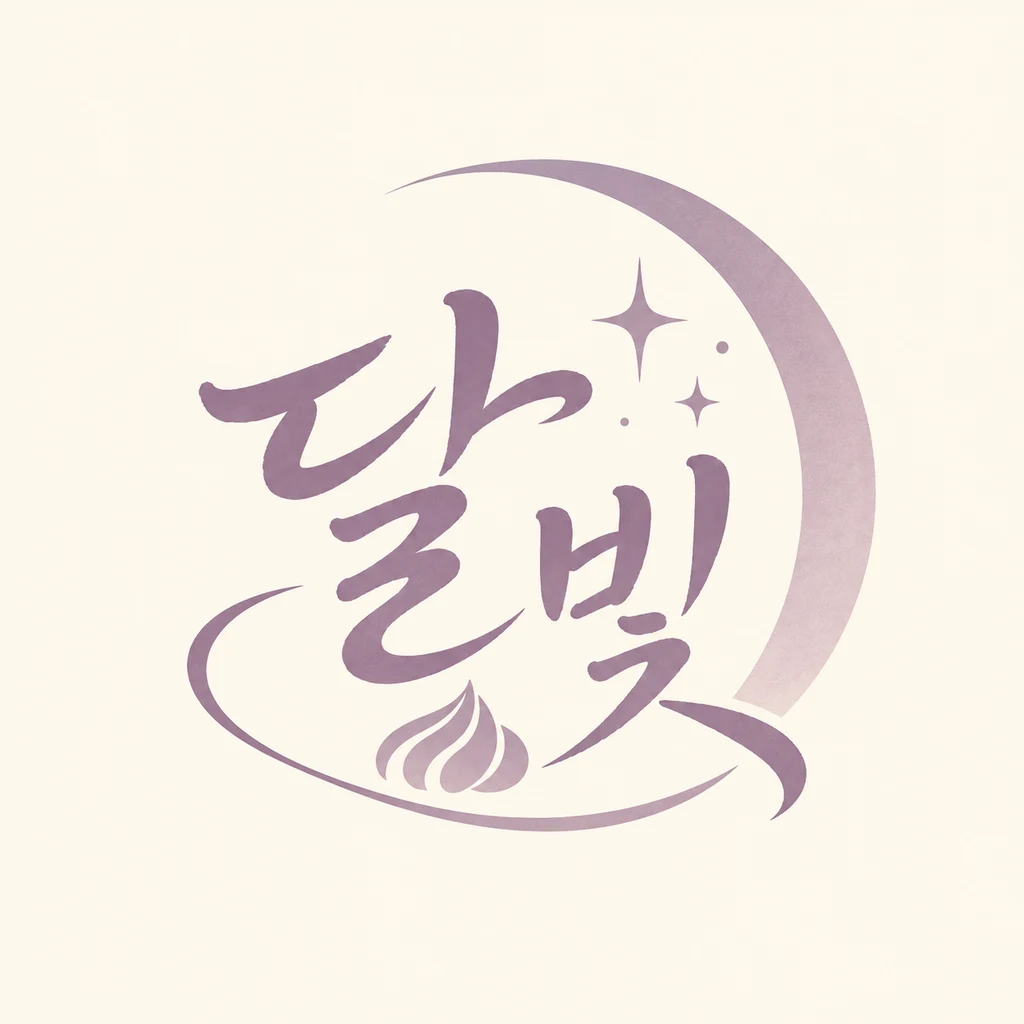
“A calligraphic Korean Hangul wordmark for a dessert cafe called 달빛 (Dalbit), soft brush strokes with a hand-drawn feel, dusty lilac and cream.”
Soft and dreamy, with a crescent sweeping around the word. The light lilac on cream is low contrast; darken it for signage.
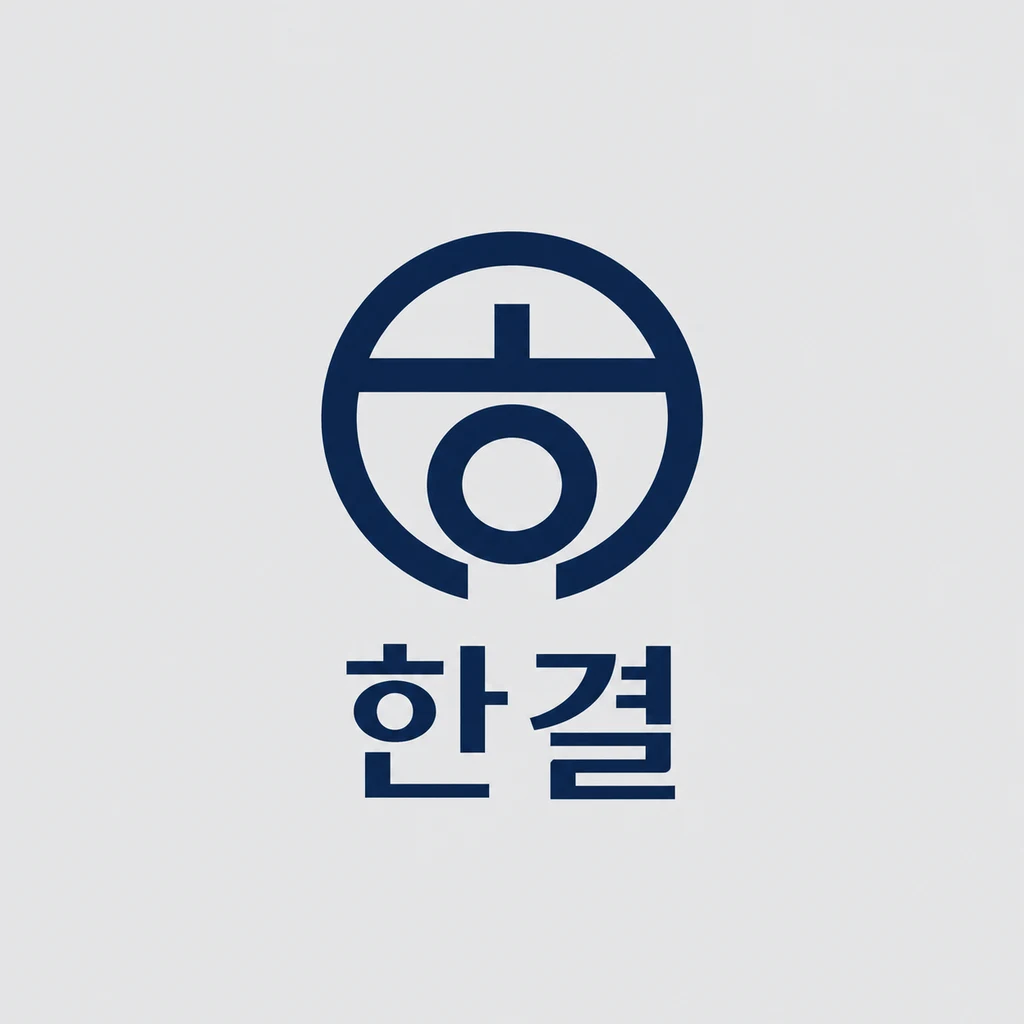
“A geometric Korean monogram for a consultancy called 한결 (Hangyeol), the consonant ㅎ reduced to a precise circular mark, navy on light grey.”
The ㅎ as a circle-and-roof mark is exactly the idea and reads as Korean at once. Clean enough to use as it is.
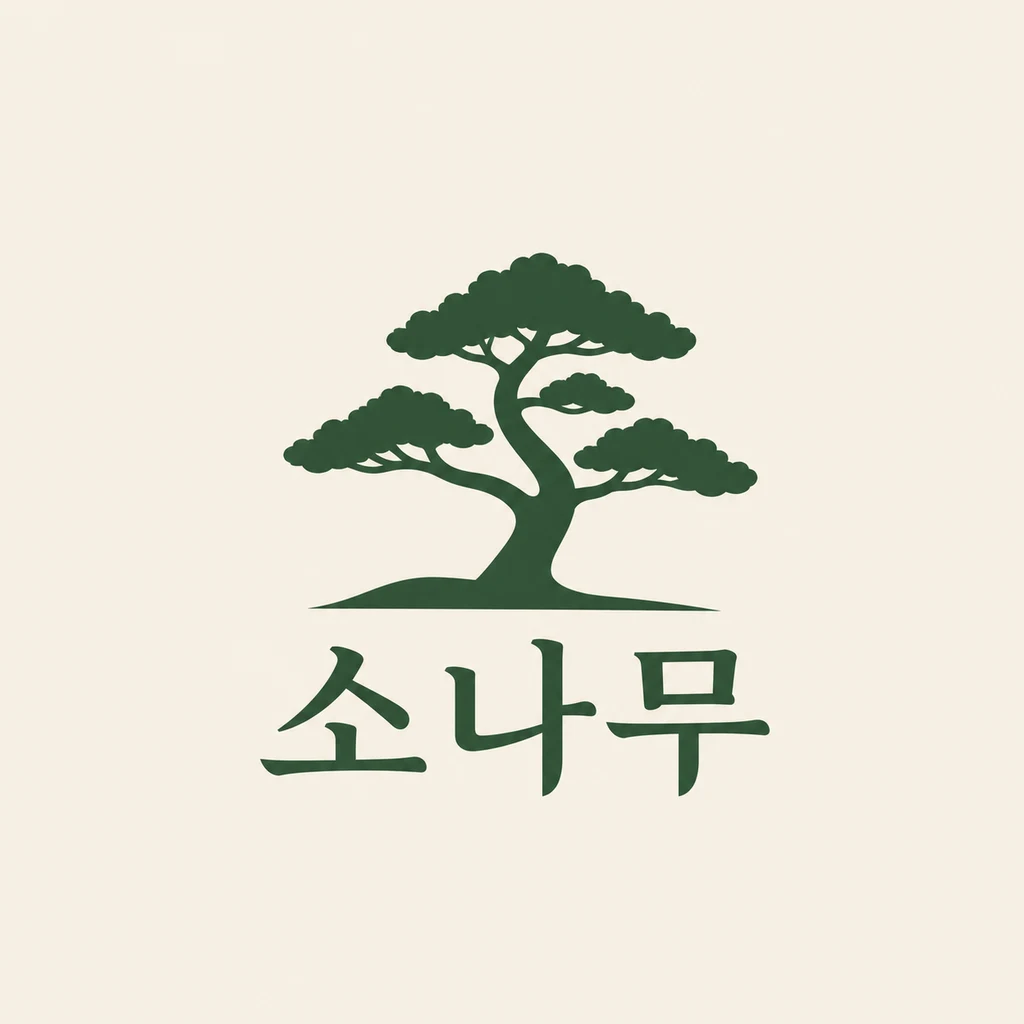
“A Korean logo for a furniture workshop called 소나무 (Sonamu), a minimal pine tree symbol beside a clean Hangul wordmark, forest green on oatmeal.”
A handsome pine with a balanced three-block wordmark. The tree is detailed; simplify it for a branding iron or a small tag.
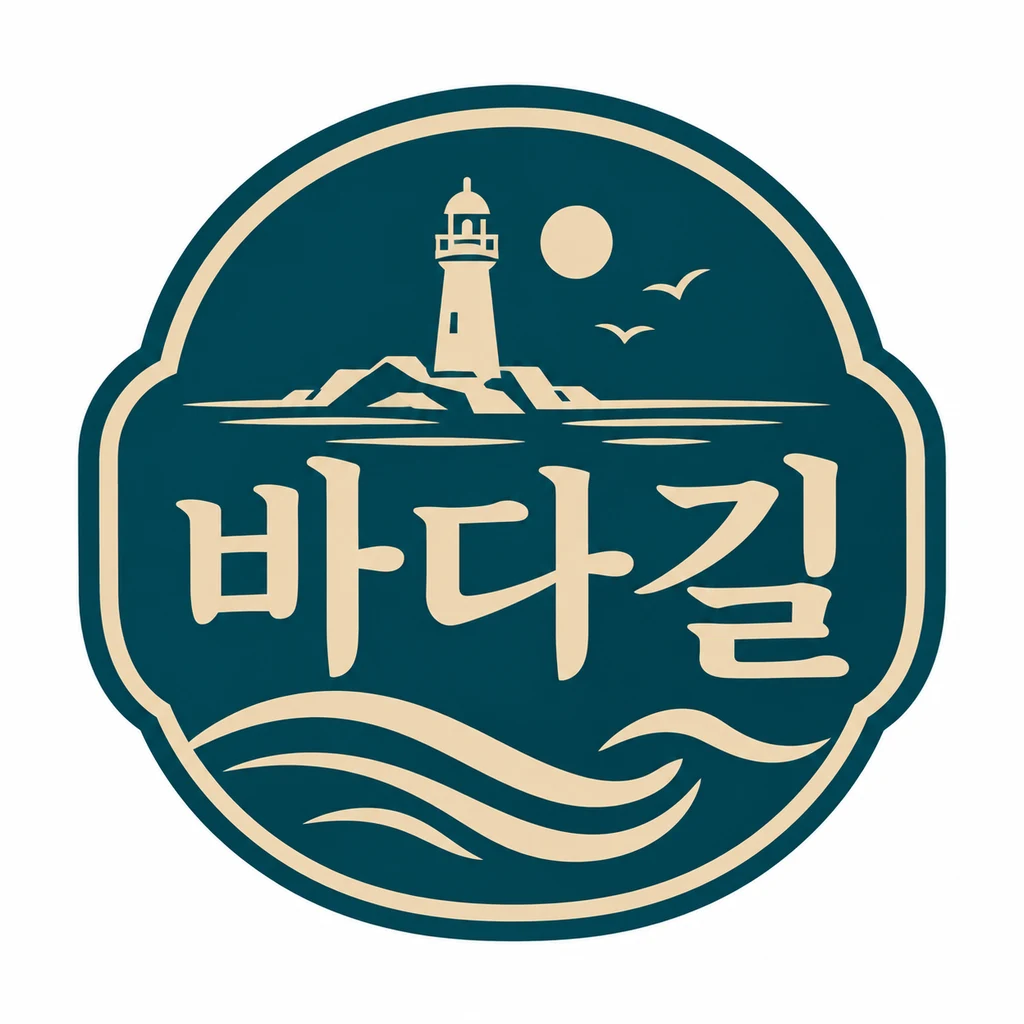
“A Korean badge logo for a seafood restaurant called 바다길 (Badagil), the Hangul set inside a rounded harbor crest, deep teal and sand.”
Bold Hangul that fills the crest well. The lighthouse, sun and birds are extras; the name and the waves are enough.
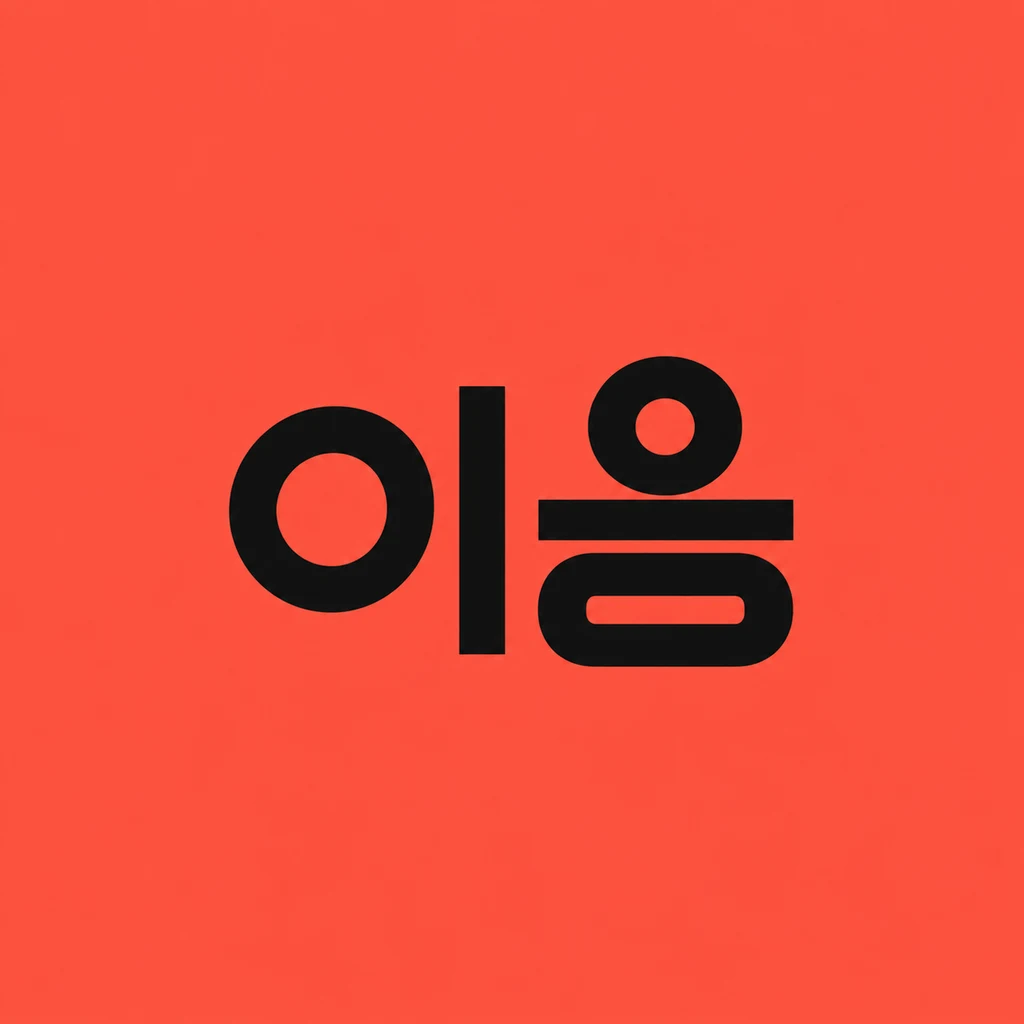
“A clean modern Korean wordmark for a coworking space called 이음 (Ieum), even geometric strokes built for small sizes, black on bright coral.”
Two circle letters make a strong, simple word, and it reads at any size. The coral background is part of the brand; keep a version on white.
What to check in a Korean logo
- Balance every block. Blocks with more letters look heavier. Adjust sizes so the word reads evenly.
- Use the circle letters. ㅇ and ㅎ make natural symbols. A monogram built from one of them stays readable to Korean speakers.
- Check small sizes. Blocks with many strokes fill in quickly. Test the wordmark at the size of a delivery app icon.
- Plan the romanized name. Korean brands often need a Latin version for export and web. Match its weight and height to the Hangul.
Naming a Korean brand
Korean brand names often use native Korean words with a warm meaning, like 달빛 (moonlight) or 이음 (connection), rather than Sino-Korean words. Two- or three-block names are common and suit square logos.
Making a Korean logo with Logofai
Describe the business in one sentence and write the name in Korean exactly as it should be drawn, in quotes if it helps. Name the style you want, such as a calligraphic wordmark, a monogram or a badge, and two or three colors. Each run gives one to four options at 3 credits an image, and you can refine the one you like by describing the change.
Check every letter and mark with a native reader before you use a logo, whichever tool made it. Logofai itself is available in Korean: see the Logofai homepage in 한국어. For the general guide to prompts and results, see the AI logo maker.
Good questions.
Is it better to use Hangul or English in a Korean logo?
For a Korean audience, Hangul feels more local and trustworthy. Many brands use Hangul as the main mark and add a romanized name for export and web.
Why do so many Korean logos use circles?
Because Hangul has circle letters, ㅇ and ㅎ. They make natural symbols that still read as part of the name.
Your name, in your script.
Describe the business and write the name in Korean. See your first options in a minute.
6 free credits for new accounts, no card required.