


The Chinese logo maker.
Chinese characters are built to fill a square, and a two-character name has a rhythm Latin type does not. Five real examples in Traditional characters.
Write the brand name exactly as it should appear, in its own script. New accounts get 6 free credits, no card required, and each logo image uses 3.
What makes a Chinese logo different
Every Chinese character sits in the same square space, so a two- or three-character name is naturally balanced. The challenge is density. A character with many strokes reads beautifully on a poster and becomes a dark blot at favicon size, and Traditional characters, used in Taiwan and Hong Kong, carry more strokes than Simplified ones.
Chinese also has a native badge form with no Latin equivalent: the red seal, or 印章, carved with characters and stamped in vermilion. It is instantly recognizable and works as both a mark and a signature.
5 Chinese logos. What to refine.
Each logo below is shown exactly as generated, next to the direction behind it and a note on what a designer would change next.
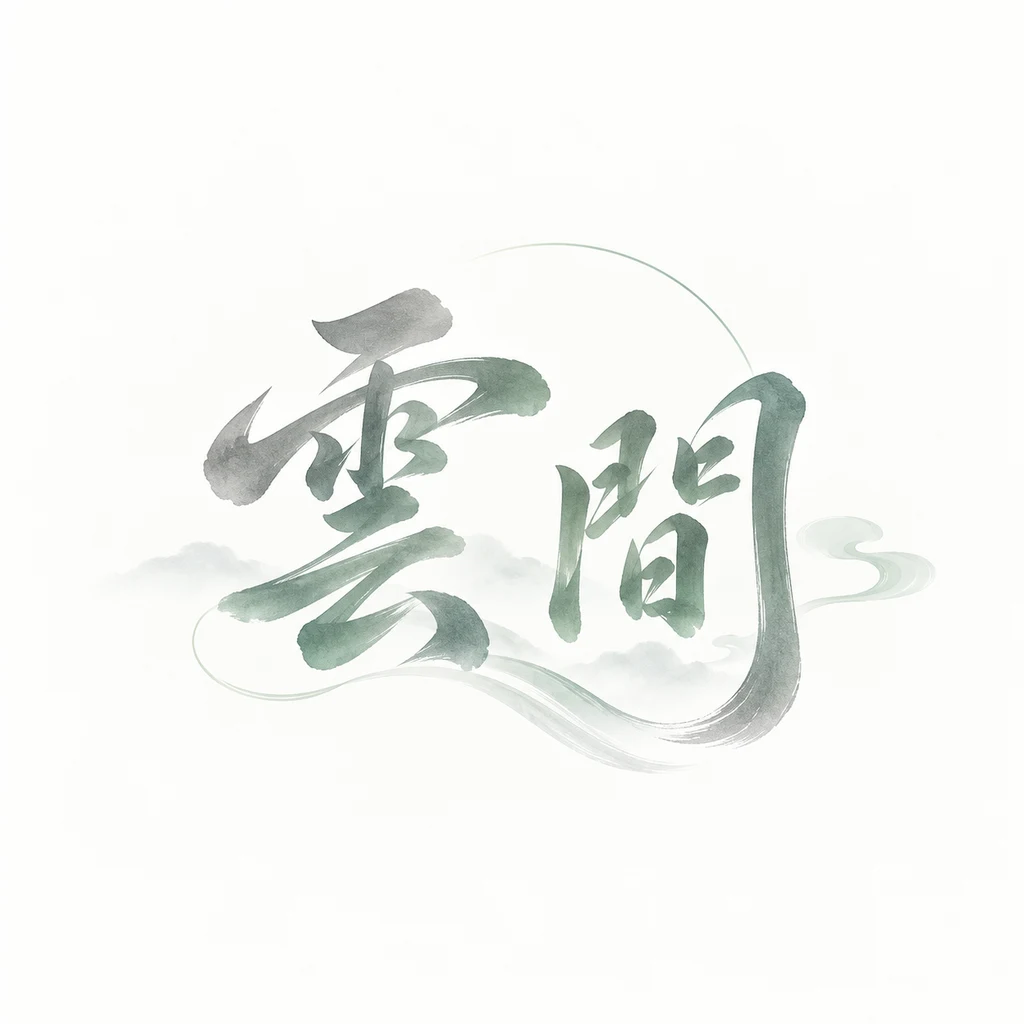
“A calligraphic Chinese brush wordmark for a skincare house called 雲間 (Yunjian), flowing ink strokes with a soft gradient, pale grey and celadon.”
Graceful brushwork in Traditional characters. The soft gradient and mist will not print cleanly; keep a solid version.
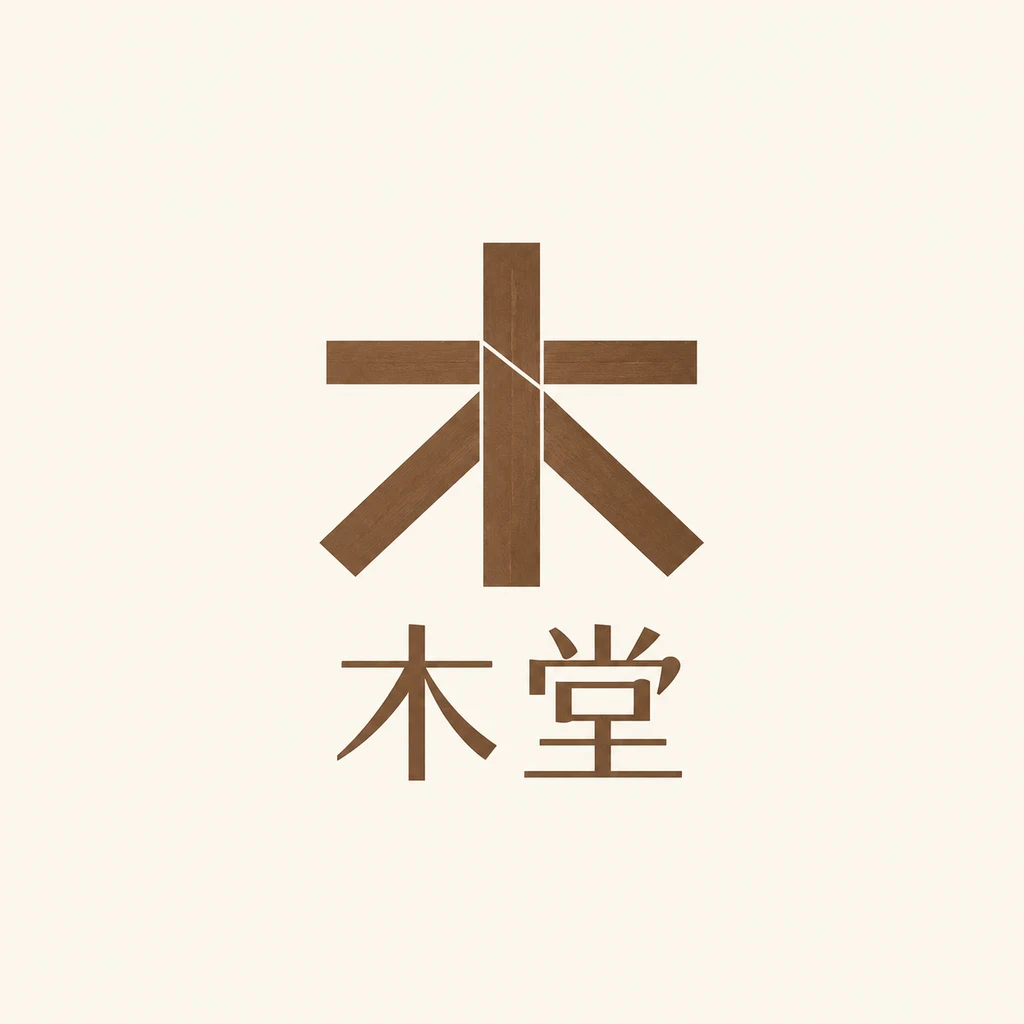
“A geometric Chinese monogram for a furniture studio called 木堂 (Mutang), the character 木 reduced to clean intersecting strokes, walnut brown on bone.”
The 木 built from clean strokes works as a standalone mark and as a branding iron. Simple and strong.
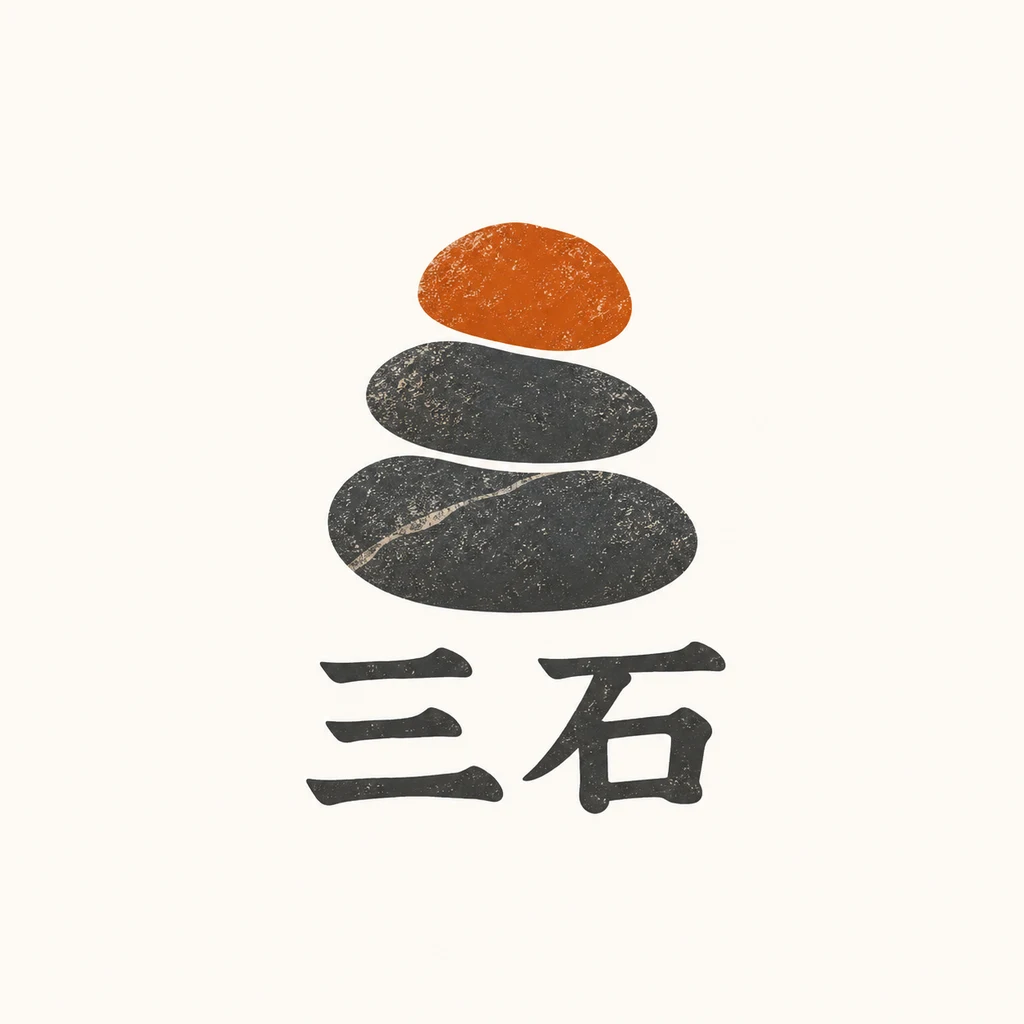
“A Chinese logo for a coffee roaster called 三石 (Sanshi), three stacked stone shapes above a clean wordmark, slate grey and burnt orange.”
The stones say the name literally, which makes it memorable. They are shaded like photos; flatten them for bags and cups.
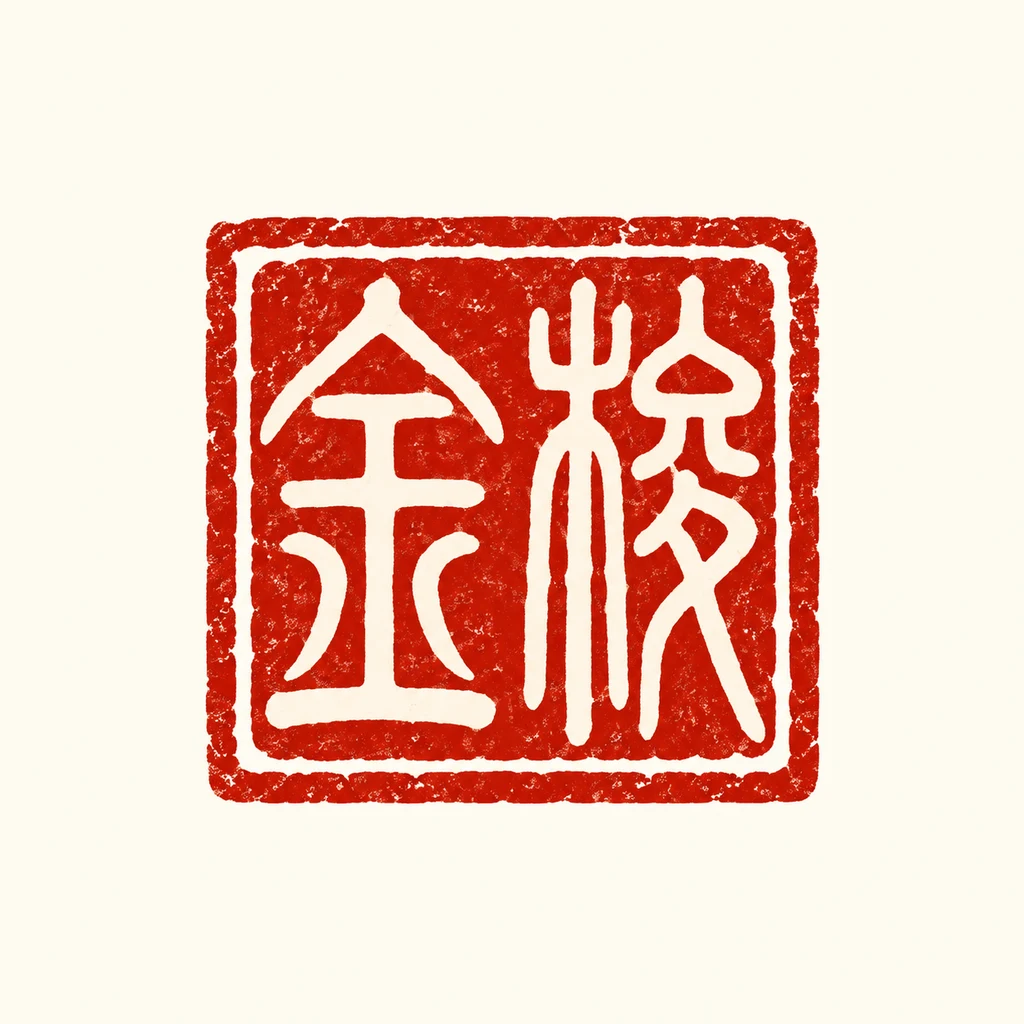
“A traditional Chinese red seal logo for a textile mill called 金梭 (Jinsuo), the characters carved into a square vermilion seal, ink red on cream.”
An authentic-looking seal with carved characters. The worn edges are part of the look, but check the characters still read at small sizes.
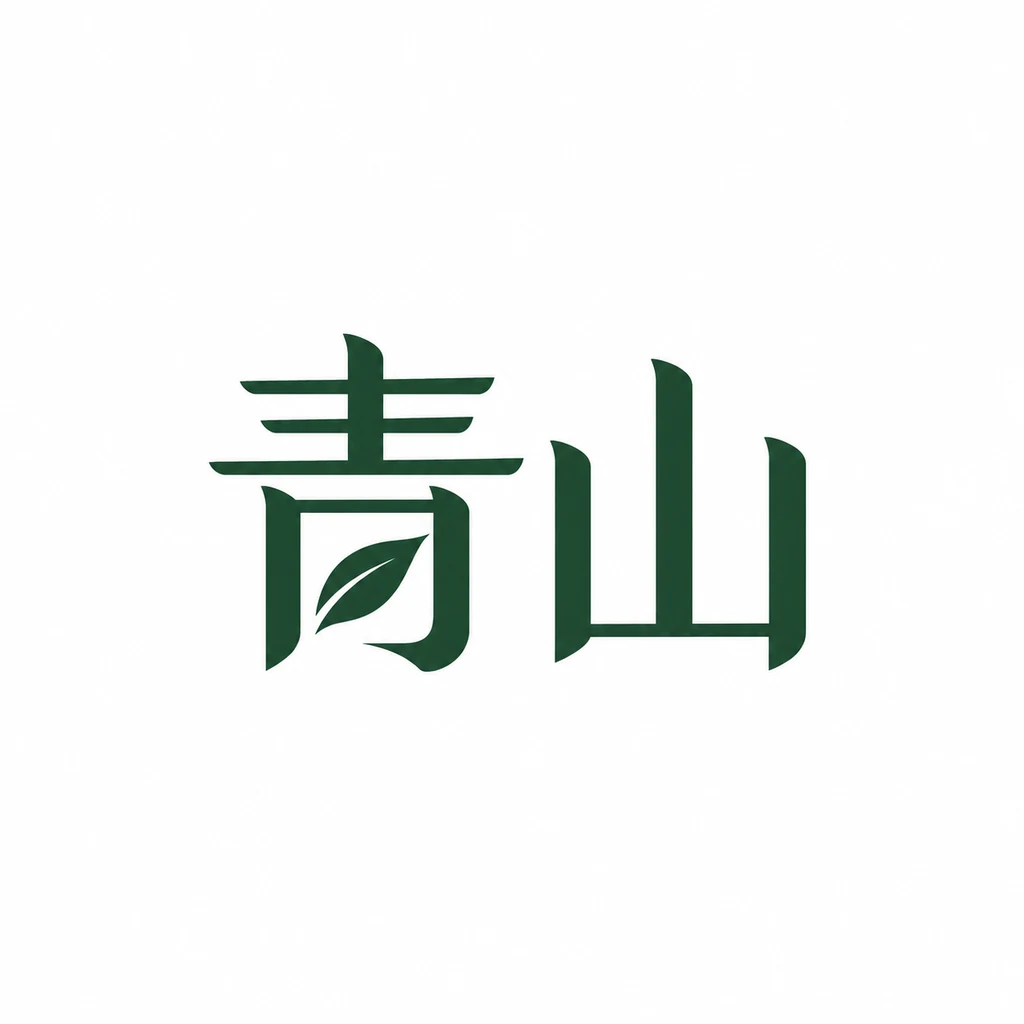
“A clean modern Chinese wordmark for a tea house called 青山 (Qingshan), even stroke weight built to stay readable at small size, deep green on white.”
Even strokes and a small leaf, readable at any size. A strong modern tea brand as it is.
What to check in a Chinese logo
- Choose Traditional or Simplified. Taiwan and Hong Kong use Traditional characters; mainland China uses Simplified. Some characters differ, so the choice follows the market.
- Test stroke density. Check each character at small sizes, and choose a lighter weight or a simpler style if strokes merge.
- Use the seal with care. A red seal is powerful, but its carved characters are small. Make sure they stay readable at the smallest size you need.
- Plan the Latin name. If you add pinyin or an English name, match its weight to the characters, which look heavier at the same size.
Naming a Chinese brand
Chinese brand names are often two characters combining nature or craft images: 青山 (green mountain), 木堂 (wood hall), 雲間 (between the clouds). Each character adds meaning, so the choice of characters is as important as the sound.
Making a Chinese logo with Logofai
Describe the business in one sentence and write the name in Chinese exactly as it should be drawn, in quotes if it helps. Name the style you want, such as a calligraphic wordmark, a monogram or a badge, and two or three colors. Each run gives one to four options at 3 credits an image, and you can refine the one you like by describing the change.
Check every letter and mark with a native reader before you use a logo, whichever tool made it. Logofai itself is available in Chinese: see the Logofai homepage in 繁體中文. For the general guide to prompts and results, see the AI logo maker.
Good questions.
Should my Chinese logo use Traditional or Simplified characters?
Follow your market: Traditional for Taiwan and Hong Kong, Simplified for mainland China. Some brands keep both versions.
What is a Chinese seal logo?
A red square or round stamp with carved characters, known as 印章. It is a traditional signature form and works well as a badge or a secondary mark.
Your name, in your script.
Describe the business and write the name in Chinese. See your first options in a minute.
6 free credits for new accounts, no card required.