


The Italian logo maker.
Italian words end in vowels, which gives a wordmark an open, even rhythm. Five real examples, including one with an accent mistake worth learning from.
Write the brand name exactly as it should appear, in its own script. New accounts get 6 free credits, no card required, and each logo image uses 3.
What makes a Italian logo different
Almost every Italian word ends in a vowel, so Italian names have a soft, even rhythm that makes wordmarks easy to balance. Italian brand tradition also runs on family names and founding years, which is why crests and seals feel native here.
The accent rule is where logos go wrong. Italian puts a grave accent on most accented final vowels, as in caffè and città, and only e can take an acute, as in perché. An acute accent on an A does not occur in standard Italian, so a logo that adds one looks foreign to an Italian reader straight away.
5 Italian logos. What to refine.
Each logo below is shown exactly as generated, next to the direction behind it and a note on what a designer would change next.
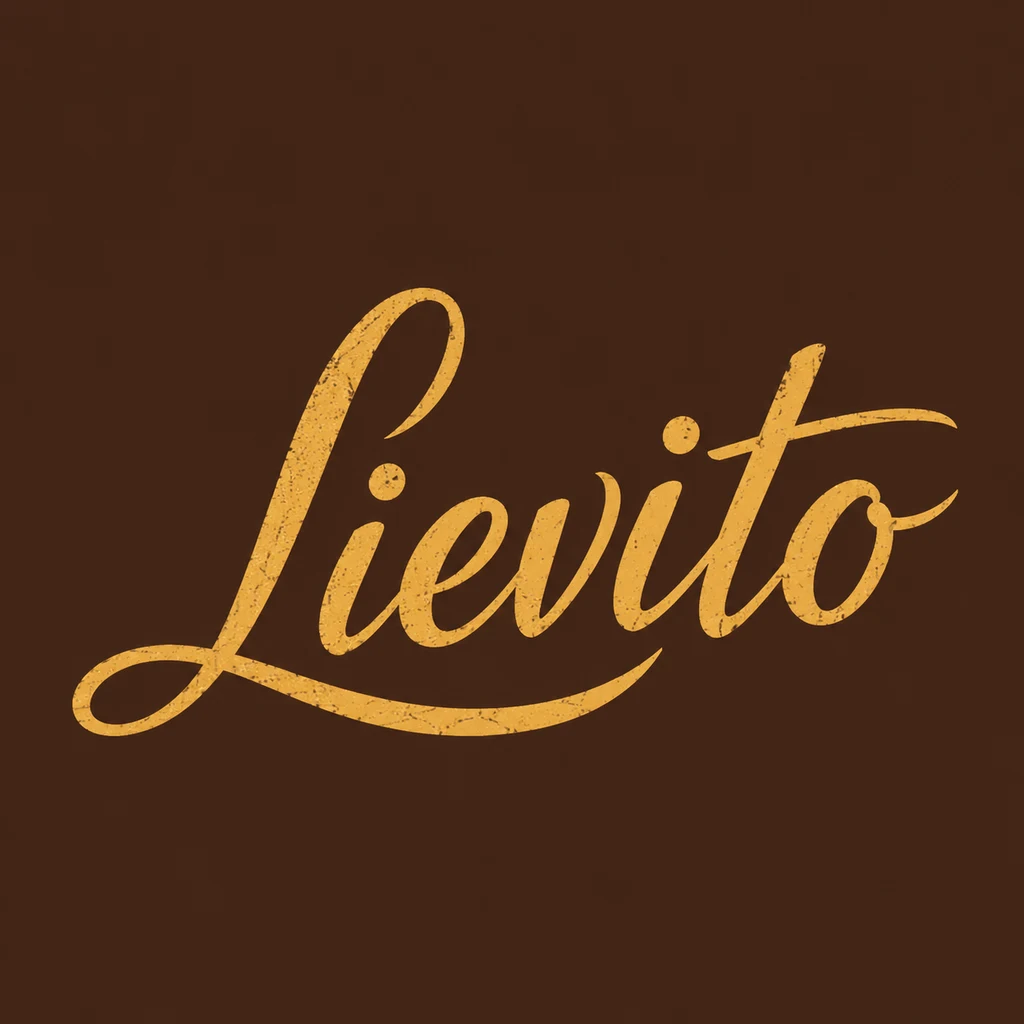
“A calligraphic Italian wordmark for an artisan bakery called Lievito, warm hand-lettered strokes with a flour-dusted texture, wheat gold on chestnut.”
A generous script that feels like a real bakery. The texture belongs on packaging, not in the logo file; keep a clean version.
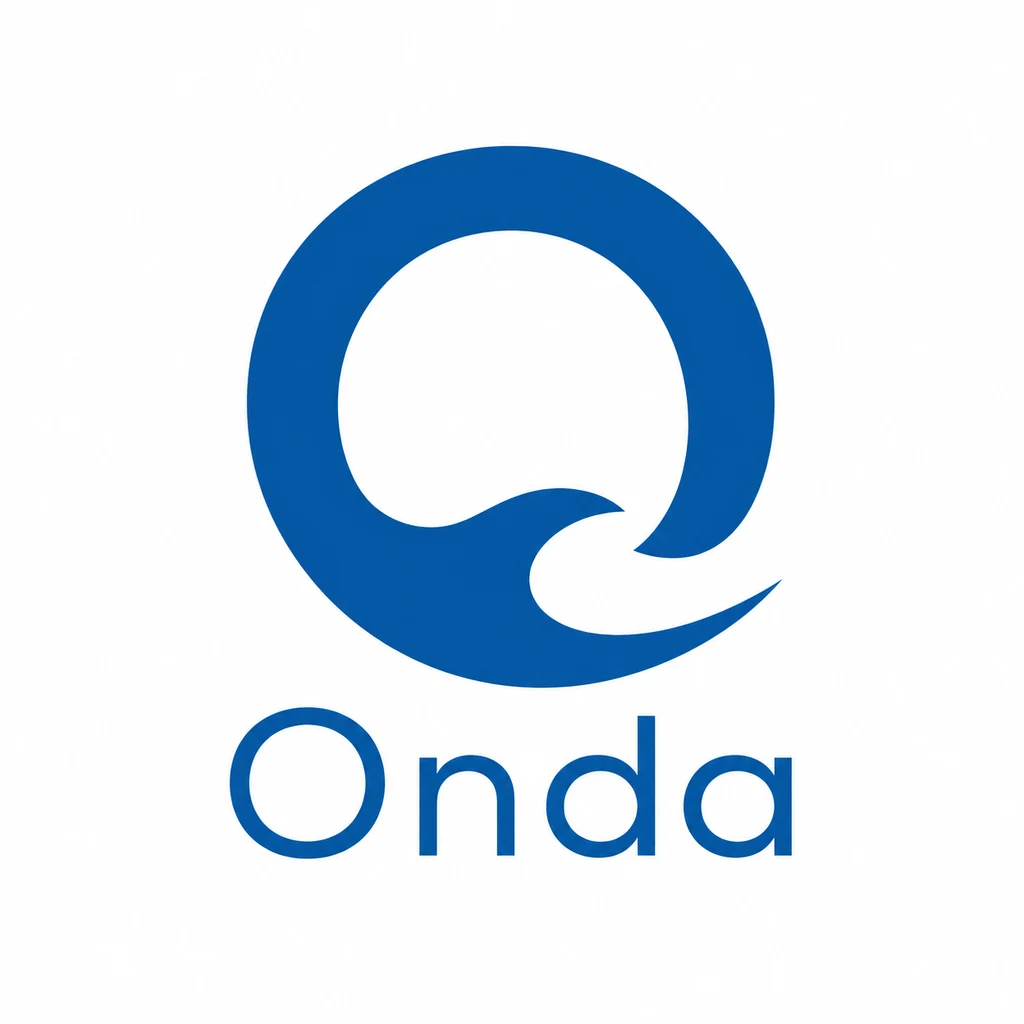
“A geometric Italian monogram for a swimwear brand called Onda, the letter O reduced to a single clean wave loop, Adriatic blue on white.”
A clear O with a wave cut into it. It works as a swimwear tag and an app icon without changes.
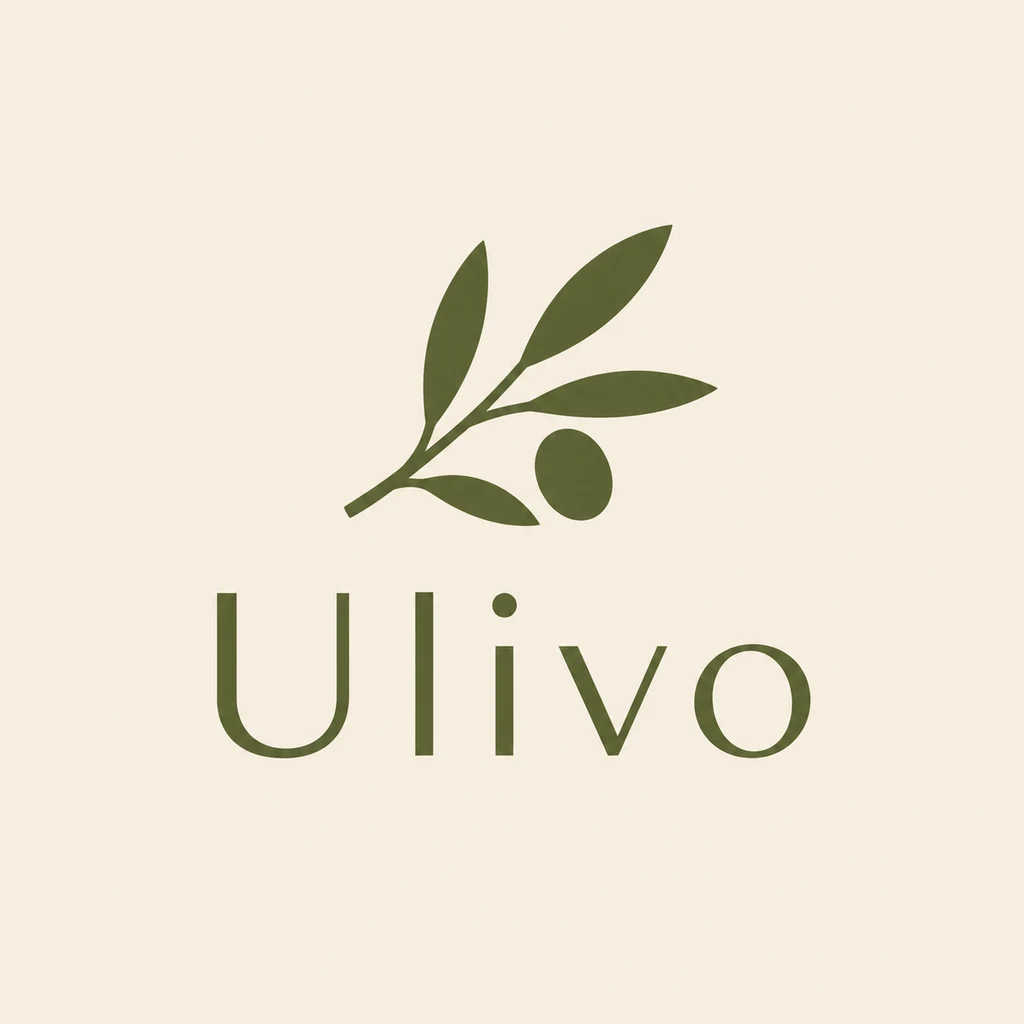
“An Italian logo for an olive oil producer called Ulivo, a minimal olive branch symbol above a clean wordmark, olive green on limestone.”
Calm and premium, as an olive oil label should be. The branch is fine-lined; test it on a small bottle neck.
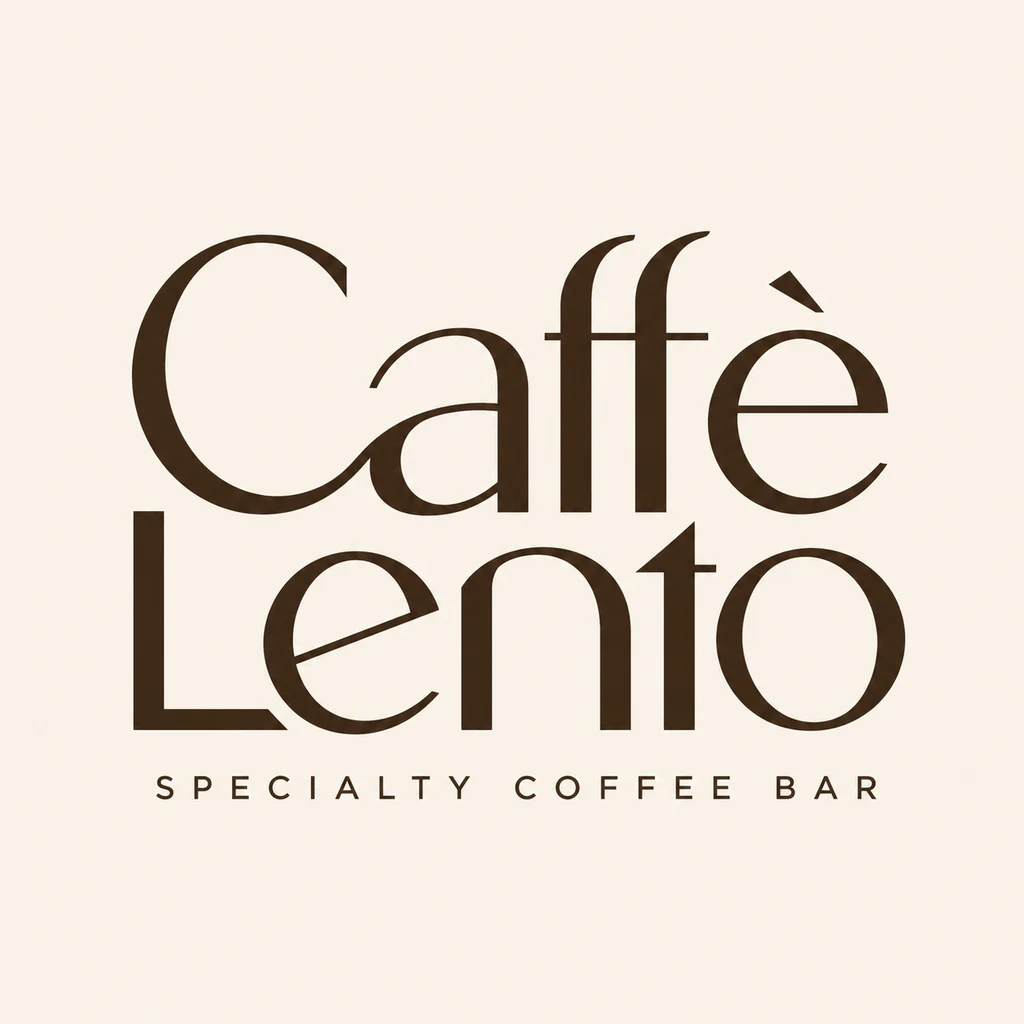
“A clean modern Italian wordmark for a coffee bar called Caffè Lento, the grave accent kept clear of the cap height and legible small, espresso brown on bone.”
The grave accent on the è is correct and clearly drawn. The stacked two-line lockup is strong; the small tagline will disappear on a cup.
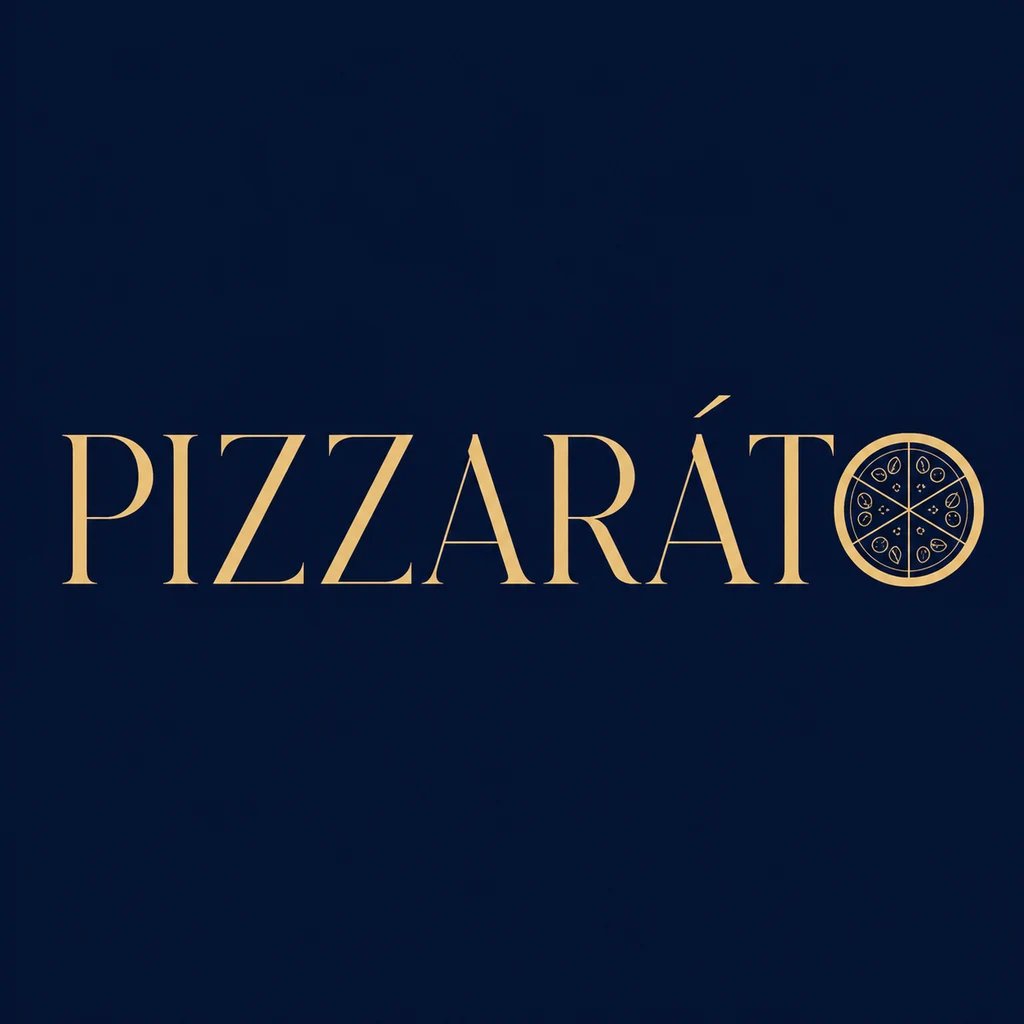
“Not from the brief: a thin serif wordmark with a pizza drawn into the final O, gold on navy.”
A warning example. The acute accent on the A does not occur in Italian and marks the name as foreign. Remove it, then thicken the thin serif strokes for signage.
What to check in a Italian logo
- Get the accent direction right. Final vowels take a grave accent (à, è, ì, ò, ù). Only e takes an acute, as in perché. Never add accents for decoration.
- Give the accent room. A final accent sits at the end of the word, right where a tight crop or a symbol will clip it.
- Use the badge well. Crests with a family name and founding year are native to Italian food and wine. They need a simple companion mark for small uses.
- Mind the double letters. Names like Caffè and Cantina Rossa have double letters. Custom letterforms must keep both clearly visible.
Naming a Italian brand
Italian brand names draw on food, craft and family: Lievito (leaven), Ulivo (olive tree), a surname plus a place. The vowel endings make them easy to say in any language, which is part of why Italian names travel so well.
Making a Italian logo with Logofai
Describe the business in one sentence and write the name in Italian exactly as it should be drawn, in quotes if it helps. Name the style you want, such as a calligraphic wordmark, a monogram or a badge, and two or three colors. Each run gives one to four options at 3 credits an image, and you can refine the one you like by describing the change.
Check every letter and mark with a native reader before you use a logo, whichever tool made it. Logofai itself is available in Italian: see the Logofai homepage in Italiano. For the general guide to prompts and results, see the AI logo maker.
Good questions.
Which accent does Italian use in brand names?
A grave accent on final vowels, as in caffè or città. Only e takes an acute accent, as in perché. An acute accent on a, i, o or u is not standard Italian.
Do Italian brands need a crest?
No, but crests with a family name and year are traditional in food and wine. If you use one, design a simpler mark for small uses too.
Your name, in your script.
Describe the business and write the name in Italian. See your first options in a minute.
6 free credits for new accounts, no card required.